
“Kindness is in our power, even when fondness is not.” Samuel Johnson
“Kindness is a language which the deaf can hear and the blind can see.” Mark Twain
“Love your enemies! Do good to them. Lend to them without expecting to be repaid. Then your reward from heaven will be very great, and you will truly be acting as children of the Most High, for he is kind to those who are unthankful and wicked.” (Luke 6:35, NLT)
Kindness is one of the fruits of the Spirit (Galatians 5:22). It seems to me that it is a virtue that we have tossed out as not being necessary in the language of the public arena. And if kindness doesn’t make it into the words we say and the things we do, if it is in our hearts, it is buried deeply, crowded out by weeds, or turned to stone.
In the land of “ME,” kindness is way down on the list of good fruits. My agenda, my goals, my schedule, my desires, my ailments—they all come first. They are my first responsibility and my first reaction. Someone else’s needs—a child, spouse, coworker, fellow student, a stranger on the street or in the car next to mine—it’s so easy to not even notice or place any importance on them. Kindness is a new attitude that we have to develop first in our souls and minds, then it slowly become part of our words and actions.
And how is it planted and nurtured in our souls and minds? It is part of the Holy Spirit transformation that begins when we accept Jesus Christ as our Lord and Savior. I might reach an occasional kindness of my own efforts, maybe, but is it even a part of my thinking with Jesus? And why would I want to make the effort? What is in it for me?
The truth of the matter is, any kindness that I show is Christ in me. The Spirit nudges me, opens my eyes and ears, places a thought, a word, and action, in my frontal cortex, and I choose to respond or ignore.
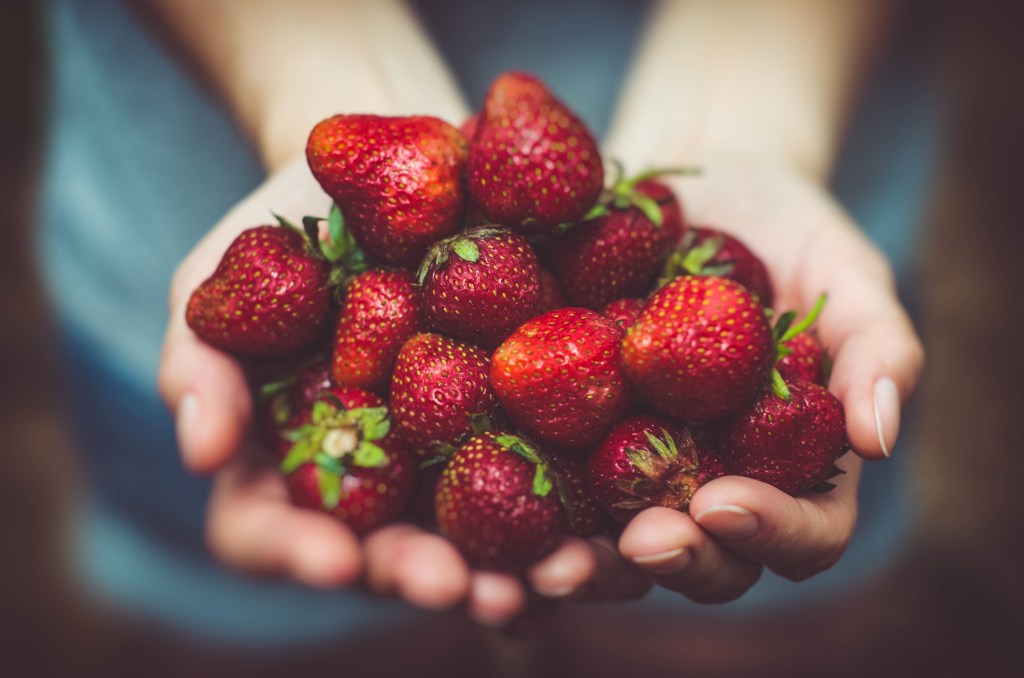
Kindness is a fruit that is planted in me by the Holy Spirit.
When I feed my soil, pull the weeds, and water, there will be a harvest of kindness to share.
 Kathleen S Evenhouse